Winter brings more heating, more time indoors and often more guests who do not know the property. A Muskoka cottage that feels familiar to its owner may be confusing to somebody sleeping in a bunk room for the first time. Fire and carbon monoxide safety therefore needs both dependable equipment and a simple household plan that everyone understands.
Check alarms and current Ontario requirements
Test smoke and carbon monoxide alarms according to their manufacturers' instructions, check power and backup arrangements, and replace units at their specified end of life. Painting over an alarm, disconnecting it because it is inconvenient or borrowing its battery removes protection. A functioning indicator light does not replace the recommended test.
Ontario requirements are not static. Expanded CO alarm requirements took effect on January 1, 2026, so an older checklist may no longer describe the required locations. Use current provincial guidance or ask your local fire service to confirm what applies to your home, cottage or rental arrangement. This article does not replace a property-specific compliance check.
Service combustion equipment before relying on it
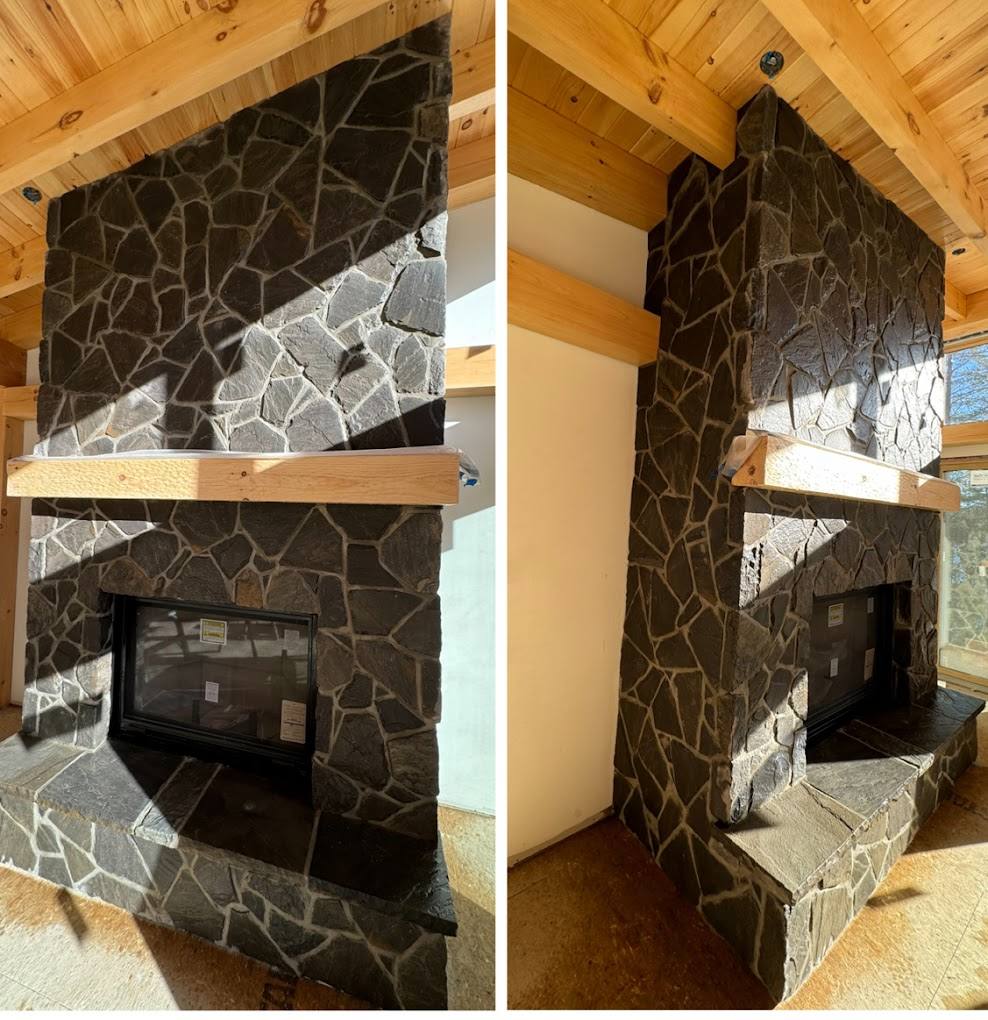
Have furnaces, fuel-burning appliances and venting inspected and serviced by qualified professionals according to applicable requirements and manufacturer schedules. Arrange chimney inspection and cleaning as needed before regular fireplace or wood-stove use. A fire that draws well on one evening does not prove the chimney or appliance is safe.
Burn only suitable fuel in equipment intended for it and follow operating instructions. Do not burn construction waste or treated wood in a household fireplace. Have a suitable, non-combustible ash container and ask your fireplace professional about safe handling and storage. Ashes can retain heat after a fire looks extinguished, so do not put them in ordinary household waste or leave them beside combustible materials.
Give heaters space and stop using damaged equipment
Portable heaters need separation from furniture, bedding and curtains, following the manufacturer's specified clearance. Place them on an appropriate stable surface, keep exits unobstructed and turn them off when leaving the room or going to sleep. Do not use a heater to dry clothing or warm a crowded storage cupboard.
Follow connection instructions and do not use an extension cord or power bar for a portable electric heater. Stop using equipment with a damaged cord, abnormal smell, overheating plug or other sign of failure, and have the issue assessed. Do not repeatedly reset a tripping circuit and assume the problem is solved. Electrical work belongs with a qualified electrical contractor.
Make a guest-friendly escape plan
Show guests the exits before they unpack. Discuss two ways out of each room where possible and choose a meeting place outside. Keep stairs, hallways and doors clear of bags, boots and firewood. Sleeping arrangements should never block access to an exit or place someone in a room that is unsuitable for sleeping.
Plan how children and anyone needing assistance will get out. Keep keys or necessary exit hardware accessible without compromising security. Make sure people know the property address and can communicate it to responders. If a fire occurs, get out, stay out and call 911 from outside; do not return for belongings or attempt to investigate inside.
- Review exits when guests arrive, not during an alarm.
- Keep snow clear of usable exit doors.
- Ensure house numbers can be seen from the approach.
- Include mobility and hearing needs in the plan.
Know what a CO alarm means
Carbon monoxide is not something you can reliably identify by smell or appearance. If a CO alarm sounds, move everyone, including pets where safely possible, outside immediately and call 911 from outside. Do not silence the alarm and stay in the building looking for a source. Follow emergency responders' instructions before returning.
Headache, dizziness or nausea around fuel-burning equipment can be concerning, but symptoms are not a substitute for an alarm or professional assessment. If exposure is suspected, leave immediately and seek emergency help. Prevention includes safe equipment, clear venting and correct alarm coverage, not simply opening a window and continuing to use a questionable appliance.
Planning your next step
For help with your Muskoka home or cottage, explore our related service, see our work in your area, or request a project consultation.
Safety references
Check current official guidance and the instructions for your own equipment. This article is general homeowner information, not an inspection, emergency response plan or substitute for qualified trades.
FAQ
Frequently asked
- What should I do if a carbon monoxide alarm sounds?
- Move everyone outside immediately and call 911 from outside. Follow emergency responders' instructions before returning.
- Can a portable heater run while I sleep?
- Turn portable heaters off when going to sleep or leaving the room. Follow all manufacturer instructions and keep them away from combustible materials.
Planning a project like this?
We build these across Muskoka.
See how our team scopes, prices, and delivers this kind of work, from first site visit through closeout.
See the service In muskoka lakes