A winter outage changes more than the lighting. Heating, well pumps, internet, garage doors and medical equipment may all depend on electricity. At a Muskoka cottage, road access can also be difficult just when outside help is needed. A useful plan connects those dependencies before the storm rather than treating a generator as the answer to everything.
Build a plan around people first
Government of Canada emergency guidance recommends preparing to be self-sufficient for at least 72 hours. That is a starting point, not a prediction of how long your local outage will last. Include drinking water, food that does not need cooking, flashlights, spare batteries, medication, necessary personal supplies and a way to receive updates without relying entirely on home internet.
Plan around anyone who depends on powered medical equipment, has limited mobility or needs refrigerated medication. Discuss backup arrangements with the appropriate care provider. Know where you can go if the building cannot remain safely occupied, and avoid waiting until the road is impassable to make that decision. Pets need supplies and a place to go as well.
Generators belong outdoors, with a safe connection
Never run a generator inside a house, cottage, garage, shed or other enclosed or partly enclosed area. Carbon monoxide can build up rapidly and enter the building through openings. Place and operate the unit according to its instructions and official safety guidance, well away from doors, windows and vents. A garage with an open door is not a safe generator location.
Never feed a generator into a household wall outlet. Improper connections can energize utility lines and put workers and occupants at risk. Have a qualified electrical contractor install the appropriate connection equipment and confirm the applicable Ontario requirements. Let the unit cool before refuelling, follow its instructions and keep fuel stored safely away from ignition sources.
Do not improvise indoor heat
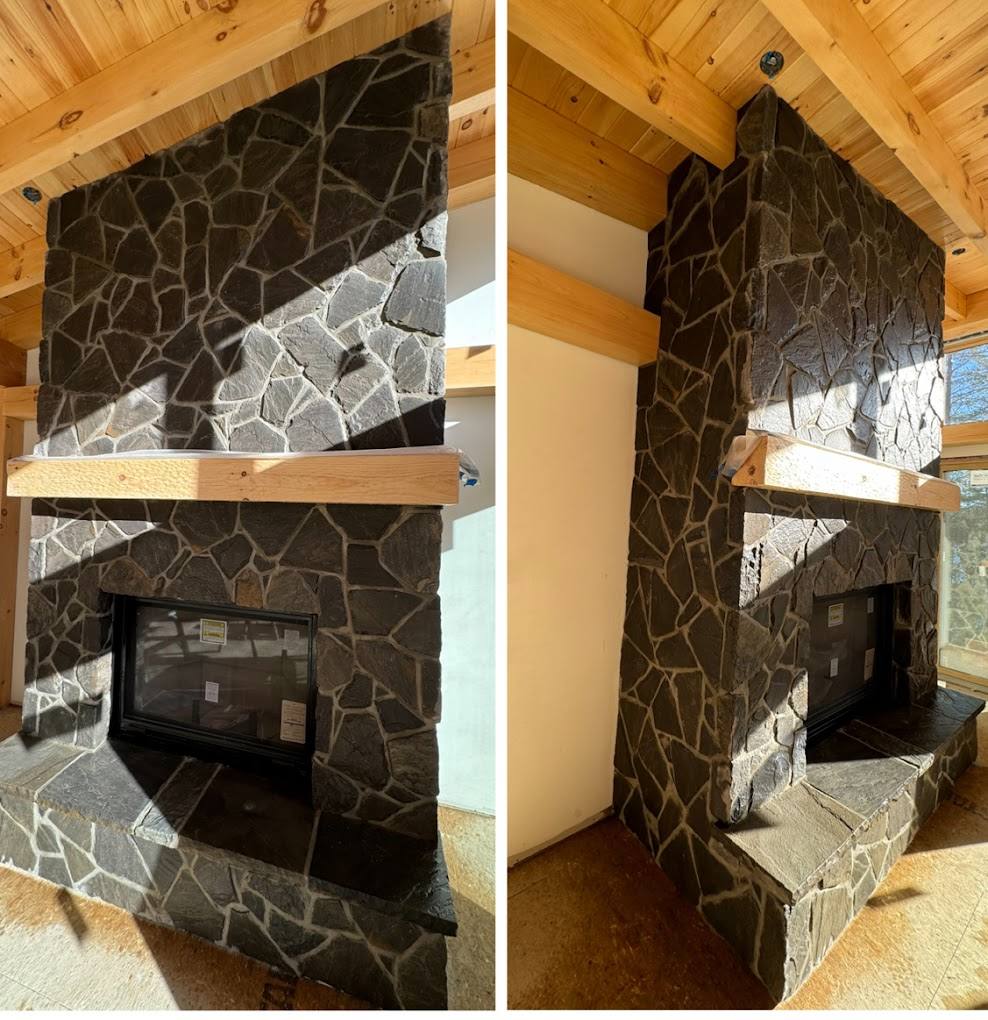
A barbecue, camp stove or outdoor fuel-burning appliance is not indoor heating equipment. Do not bring one inside during an outage. Use only equipment specifically designed and approved for the setting, operated according to its instructions. A fireplace or wood stove should already be in safe operating condition, with inspection and maintenance arranged before the emergency.
Keep exits clear and maintain working smoke and CO alarms, including the backup arrangements required for your alarms. If a CO alarm sounds, move everyone outside immediately and call 911 from outside. Do not stay inside looking for the cause or assume the alarm is reacting to the outage.
Connect the outage plan to your plumbing plan
If heating stops, vulnerable pipes can cool while the main room still feels tolerable. Know who to call and what property-specific action a plumber has advised. A well pump without power also changes your water supply. Store enough drinking water and understand that shutting a supply valve does not drain the plumbing system.
Avoid improvised drain-downs of unfamiliar equipment. Some systems require a sequence that protects pumps, tanks and appliances. For a seasonal property, decide in advance whether you will maintain heat, arrange a professional shutdown or relocate and have the building checked. A written plan gives a neighbour or caretaker something reliable to follow.
Treat snow, trees and roof ice as hazards
Stay away from downed power lines and anything touching them. Report them to the utility and call 911 if there is an immediate danger. Do not try to move a branch off a line. Keep people out from under hanging limbs, roof ice or visibly damaged structures while waiting for qualified help.
Do not climb onto a snowy roof to clear it or chip ice while standing below falling material. If roof loading or structural movement is a concern, keep out of the affected area and seek professional assessment. After the storm, inspect from safe ground, photograph damage and prioritize safe access and active leaks before cosmetic cleanup.
- Use flashlights instead of candles where possible.
- Keep phones and backup batteries charged before forecast storms.
- Check on vulnerable neighbours without putting yourself at risk.
- Record the utility outage number and emergency contacts offline.
Planning your next step
For help with your Muskoka home or cottage, explore our related service, see our work in your area, or request a project consultation.
Safety references
Check current official guidance and the instructions for your own equipment. This article is general homeowner information, not an inspection, emergency response plan or substitute for qualified trades.
- Government of Canada: power outages
- Government of Canada: emergency kits
- Electrical Safety Authority: generator safety
- Ontario: fire safety at home
FAQ
Frequently asked
- Can I run a generator in a garage with the door open?
- No. Generators must be operated outdoors according to their instructions, away from openings where exhaust can enter. An open garage door does not make a garage safe.
- How much emergency preparation is recommended?
- Government of Canada guidance recommends being prepared to be self-sufficient for at least 72 hours. Adapt supplies and relocation plans to household needs and local conditions.
Planning a project like this?
We build these across Muskoka.
See how our team scopes, prices, and delivers this kind of work, from first site visit through closeout.
See the service In gravenhurst