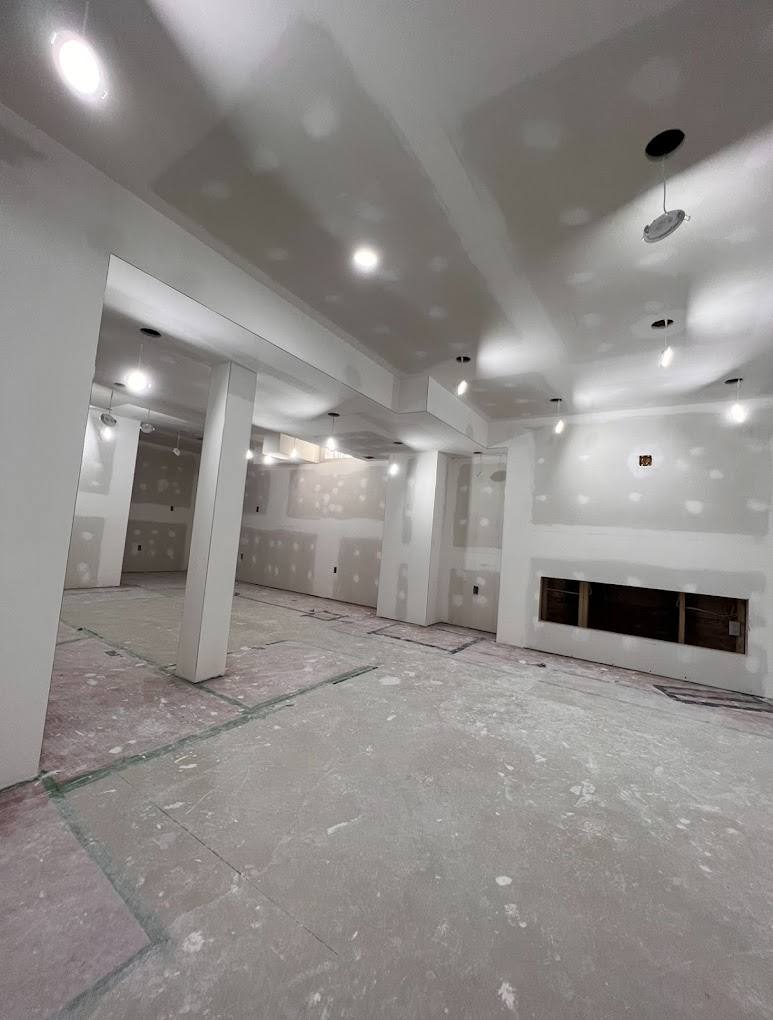
Every fall, Muskoka cottage owners face the same decision: close the place up properly for winter, or start treating it as a four-season home and stop closing it at all. Both are legitimate paths, but they require different preparation. This guide covers the full winterization checklist for a traditional seasonal shutdown, and then walks through what we actually change in a cottage when the goal is to stop doing this every year.
Why winterization matters more in Muskoka than most places
Muskoka winters regularly see extended stretches at minus 20 degrees Celsius or colder, with heavy snow load and freeze-thaw cycling in spring and fall that stresses anything not properly protected. A cottage that is closed incorrectly does not usually fail dramatically. It fails quietly, with a frozen and burst pipe discovered in April, a sill plate that has been wicking moisture all winter, or a foundation crack that opened wider with every freeze-thaw cycle. The checklist below reflects the failure points we see most often when we open cottages in spring that were closed incorrectly in the fall.
Plumbing: the highest-stakes system to get right
Water left in pipes, tanks, or fixtures over a Muskoka winter will freeze and very often crack the pipe or fitting even if it does not burst immediately. This is the single most common and most expensive winterization failure we see.
- Shut off the main water supply and the water pump.
- Drain the water heater completely, including opening the pressure relief valve.
- Drain all hot and cold water lines by opening every faucet, including outdoor hose bibs.
- Blow out the lines with compressed air if the system allows it, particularly for longer runs and any lines that slope the wrong way for gravity drainage.
- Add RV antifreeze to toilet bowls, tank traps, and P-traps under every sink, tub, and shower drain.
- Drain and winterize the pressure tank.
- If there is a dishwasher or washing machine, drain the lines and add antifreeze to the traps.
- Drain the septic pump chamber if applicable, and confirm the septic system itself does not need winterizing steps specific to your setup.
Heating and moisture control
A completely unheated cottage is colder inside, but a moderately heated cottage that is not properly vented can trap moisture and encourage mould over winter. Our recommendation for most seasonal cottages:
- Set the thermostat to a low maintenance temperature (typically 7 to 10 degrees Celsius) rather than shutting the heat off entirely, if the heating system and fuel supply allow it.
- Leave interior doors open to allow heat and air to circulate.
- Open cabinet doors under sinks to let warm air reach pipes on exterior walls.
- Install a monitored temperature and leak sensor system if the cottage will sit unattended for months. This is inexpensive insurance against a heating failure going unnoticed for weeks.
Exterior and structural checks before closing
- Clean gutters and confirm downspouts direct water away from the foundation.
- Inspect roof shingles or metal panels for damage that would let snow load or ice find a way in.
- Check flashing around chimneys, skylights, and roof penetrations.
- Trim tree branches that could come down on the roof under heavy snow or ice load.
- Confirm foundation vents are closed for winter if the crawlspace design calls for it.
- Store or secure dock furniture, cushions, and anything that could be damaged by ice or blown around by winter wind.
Appliances, electrical, and pest prevention
- Unplug and prop open the refrigerator and freezer doors.
- Remove all food that could attract pests over winter.
- Seal any gaps around pipes, cables, or foundation penetrations that could let mice or other pests inside.
- Turn off and unplug non-essential electronics; leave critical systems like a sump pump or monitoring system on dedicated circuits.
- Set mouse traps or bait stations in areas prone to rodent entry.
The closing day checklist
On the actual closing day, we recommend working through the list in this order so nothing gets missed in the rush to leave before dark:
- Drain and winterize all plumbing.
- Set heating to maintenance temperature or shut down per your system's requirements.
- Clean out refrigerator and remove food.
- Close and lock all windows, checking weatherstripping.
- Secure or store outdoor furniture, cushions, and anything loose.
- Check and set any monitoring or alarm systems.
- Do a final walk-through with a flashlight, checking under sinks and in the mechanical room.
- Lock up and confirm someone local has a key in case of emergency.
“The cottages we open to burst pipes in April are almost never the ones with expensive systems. They're the ones where a fifteen-minute step got skipped on a busy closing weekend.”
Building for true four-season use instead
A growing number of our clients are done with the annual close-and-open cycle and want to convert their cottage to a genuine four-season property they can use anytime, including renting it out through the winter. That is a different project than a seasonal winterization checklist. It touches the building envelope, the mechanical systems, and often the foundation.
Insulation and envelope
Most legacy Muskoka cottages were built with three-season construction: minimal insulation, single or basic double-pane windows, and no real air sealing. Converting to four-season use typically means:
- Spray foam insulation in walls, roof, and any exposed floor assemblies to reach a proper thermal envelope for -30 degree Celsius design temperatures.
- Upgraded windows and doors rated for the climate, with attention to air sealing at every penetration.
- Insulating and sealing the foundation, crawlspace, or slab so pipes and mechanicals are not exposed to outdoor temperatures.
Heating systems built for real winter loads
A propane fireplace or a couple of electric baseboards that were fine for spring and fall weekends will not keep a building comfortable and safe through a January cold snap. Four-season conversions typically involve a properly sized furnace or heat pump system, sometimes supplemented with in-floor heat at entries and bathrooms, and a backup heat source in case of a power outage, since outages in Muskoka winters are not rare.
Plumbing designed to never need winterizing
For four-season cottages we route plumbing away from exterior walls wherever possible, insulate any lines that must run through unheated spaces, and design the mechanical room so it stays above freezing even during a heating system failure, often with a dedicated backup heater on its own circuit.
Roof and structural load
Full-time winter occupancy means the roof needs to reliably shed or hold snow load without ice damming issues that develop from heat escaping unevenly through the roof assembly. We review roof design, insulation continuity, and ventilation as part of any four-season conversion, since ice damming is one of the most common and most damaging issues in converted cottages that skipped this step.
Cost range for a four-season conversion
Full conversions that include an addition, a second storey, or a significant footprint change run well beyond these ranges. These figures reflect the envelope and mechanical work alone on an existing structure of a typical 1,200 to 2,000 square foot Muskoka cottage.
FAQ
Frequently asked
- What happens if I forget to fully drain the plumbing before winter?
- Water left in pipes, traps, or the water heater will very likely freeze and crack fittings or pipes even if valves are closed. This is the most common and most expensive winterization failure we see when opening cottages in spring.
- Should I leave the heat on at all in a closed cottage?
- For most seasonal cottages, yes, at a low maintenance temperature around 7 to 10 degrees Celsius rather than shutting the system off entirely, provided the fuel supply and system can run unattended safely.
- How much does it cost to convert a three-season cottage to four-season use?
- Typically $60,000 to $140,000 for envelope insulation and mechanical system upgrades on a mid-size cottage, depending on current condition. Full conversions with additions cost more.
- Do I need a monitored temperature sensor for a closed cottage?
- It is not required but is inexpensive insurance. A heating failure that goes unnoticed for weeks in a closed cottage can lead to frozen and burst pipes even after proper winterization if the maintenance heat fails.
- What is ice damming and why does it matter for four-season cottages?
- Ice damming happens when uneven roof heat melts snow that refreezes at the colder eaves, backing water up under shingles. It is common in cottages converted to four-season use without addressing roof insulation and ventilation properly.
Planning a project like this?
We build these across Muskoka.
See how our team scopes, prices, and delivers this kind of work, from first site visit through closeout.
See the service In bracebridge